In the high-stakes world of aviation, continuous improvement is not a luxury, it’s a necessity. The safety and efficiency of flight operations demand rigorous oversight and proactive strategies to mitigate risks. This is where Flight Operational Quality Assurance (FOQA) becomes a cornerstone of modern aviation programs.
What is Flight Operational Quality Assurance (FOQA)?
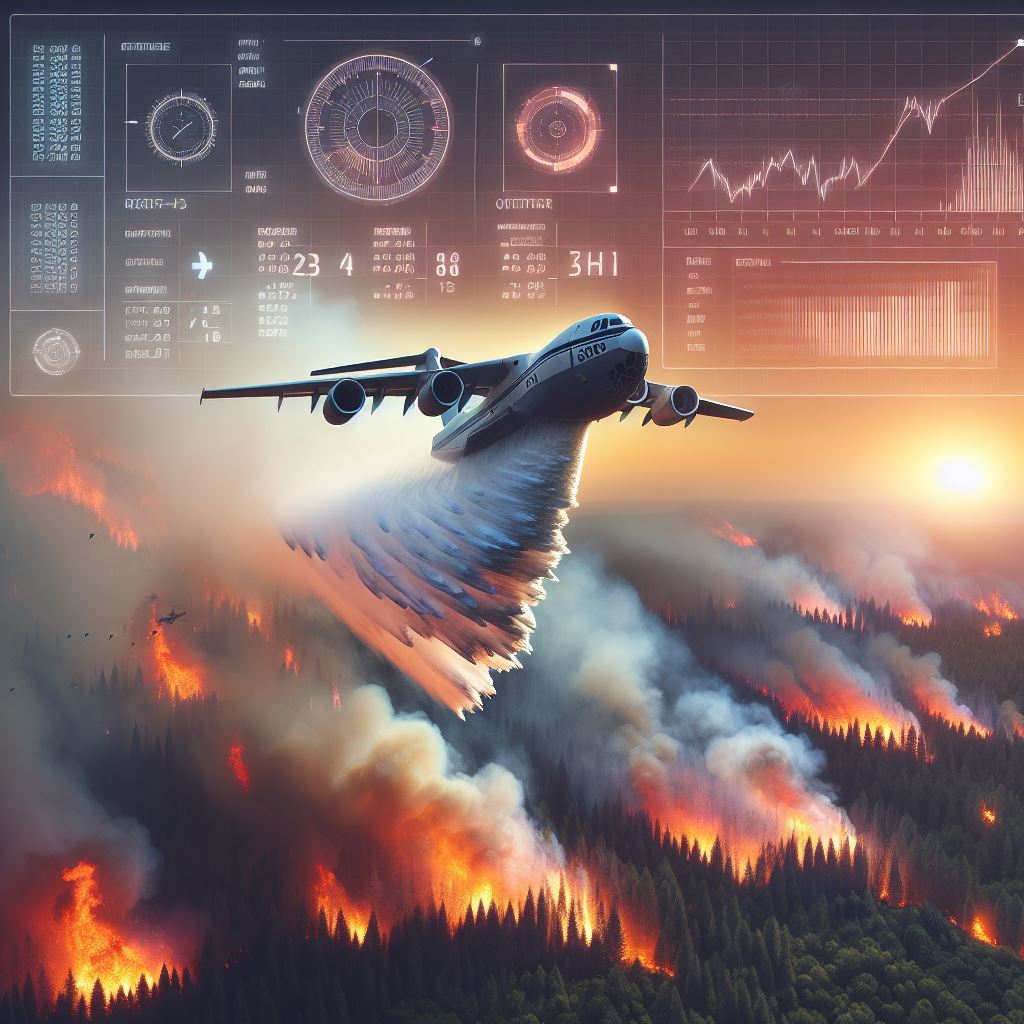
FOQA transforms raw flight data into actionable insights, allowing organizations to monitor, analyze, and enhance flight operations. By identifying trends, pinpointing anomalies, and fostering a culture of accountability, FOQA ensures that safety is always prioritized. This data-driven approach goes beyond mere compliance; it actively drives innovation and operational excellence.
For subsets of this industry like aerial firefighting, FOQA is particularly critical. Challenging environments, dynamic flight conditions, and rapid decision-making required in firefighting missions amplify the need for real-time data and post-mission analysis. Incorporating FOQA into a continuous improvement framework enables organizations to refine processes, bolster training programs, and optimize aircraft performance-all while reducing risks and safeguarding lives.
In this post, we’ll explore why FOQA is indispensable for building a robust continuous improvement program, especially in specialized aviation sectors. We’ll also discuss the main challenges collecting data for FOQA and the broader benefits it brings for safety, efficiency, and operational readiness.
Why Continuous Improvement Programs in Aerial Firefighting Rely on Cutting-Edge Technology
Continuous improvement programs have become a foundational element within aerial firefighting organizations, driven by the growing complexity of wildfires and advancements in technology. These programs emphasize iterative enhancement across training, operations, and technology integration. This ensures organizations remain agile and prepared for increasingly severe wildfire seasons.
The incorporation of modern techniques, such as precision water and retardant drops, highlights the sector’s focus on maximizing operational efficiency. Additionally, training and upskilling are prioritized to align with these modern technologies, ensuring teams are ready for diverse scenarios and environments.
This commitment to continuous improvement ensures these organizations can adapt to the dynamic challenges of modern firefighting, protecting communities and ecosystems effectively.
Using technology as part of a continuous improvement program enables advanced analytics and decision-making as part of your FOQA process. This enables you to create managed, repeatable, and comparable insights that drive safety, efficiency, and operational excellence.
The 3 Data Challenges for Aerial Firefighting Missions
At its core, FOQA uses data from the Flight Data Recorders (FDR), AKA “black box” to capture detailed operational data in real time. However, the process of converting this raw sensor level data into actionable insights is both a technical and strategic challenge. A single aerial firefighting mission generates vast amounts of data, captured by sensors monitoring flight dynamics, engine performance, environmental conditions, and pilot inputs.
1. Collecting & Sorting the Data Volume
On a practical level, the raw data collected by these systems is as vast as it is dense. This requires specialized data processing to unlock its potential for continuous improvement. This represents the first significant hurdle for most organizations. It often requires advanced data engineering techniques to handle varying data types, resolutions, and transmission protocols, especially when normalizing data collected across different aircraft models and equipment setups.
2. Applying Logic to the Data
The second significant hurdle is the analytical layer. This is where specific logic applied to the data creates a level of deeper understanding. Logic means taking raw information and combining it in ways that help us understand important patterns or insights.
This often involves the combination of raw data elements to create key performance indicators (KPIs) relevant to safety, operational efficiency, and mission success.
Raw data includes number of flights, the amount of water dropped, and the area covered by the fire. By applying logic, we can create a KPI like “water dropped per flight” to measure the efficiency of each mission. This KPI helps us understand how effectively we are using our resources and can guide us in improving our operations.
You can also create a KPI that scores and highlights the Hight Above Ground while in the Fire Traffic Area (FTA) requires the raw data for sensors indicating the Altitude at Ground Level and a definition of when an aircraft is in the FTA.
The definition for the FTA could include logic for defining the start and end of the FTA, based on when the retardant bay door is opened and closed and once you have all those parameters understood, you need to score the specific event. Performing this on data that is generated multiple times a second becomes a challenging task.
3. Visualizing the Data
A third significant hurdle is visualizing all this data in a simple and actionable manner. Dashboards and reports distill complex analyses into clear, interpretable visuals, allowing decision-makers to prioritize areas for intervention. These insights feed directly into your continuous improvement program, whether it’s adjusting training protocols, updating maintenance schedules, or refining operational strategies. This creates a data-driven foundation for enhanced performance and safety.
When integrated into a continuous improvement program, the data created through the technology platform serves as a feedback loop. FOQA ensures that aerial firefighting organizations not only meet current safety and efficiency standards but also continually elevate their performance, adapting to evolving challenges and opportunities in wildfire management.
OmniData’s FOQA Metrics Framework
Integrating technology and FOQA programs in aerial firefighting turns raw data into insights, enhancing safety, efficiency, and excellence. Addressing data challenges helps organizations adapt to modern firefighting, ensuring community and ecosystem protection.
Data-driven firefighting requires specialized tools and frameworks designed to handle the intricacies of flight data analysis. This is where OmniData’s FOQA Metrics Framework comes into play. Our framework, built on Microsoft Azure, creates a modern cloud scale analytics platform. This manages and interprets the vast quantities of data generated during aerial firefighting missions. By incorporating state-of-the-art analytics and decision-making tools, OmniData enables your organization with managed, repeatable, and comparable insights.
Partner with OmniData to harness data, enhance efficiency and safety standards, ensuring your team is mission ready.